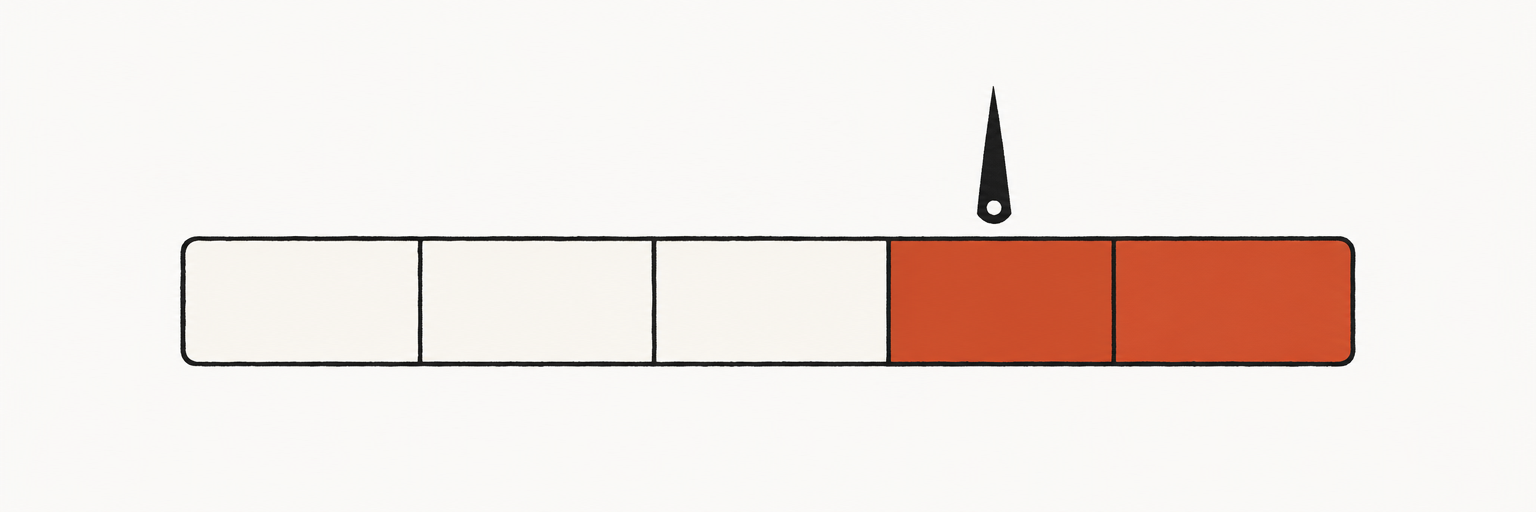
A credit score is a three-digit number (300–850) that lenders use to decide whether to approve a loan and at what interest rate. The higher your score, the better the rates you qualify for.
Credit score ranges
| Score | Rating | What it means |
|---|---|---|
| 800–850 | Exceptional | Best rates on everything |
| 740–799 | Very good | Near-best rates |
| 670–739 | Good | Approved for most loans, decent rates |
| 580–669 | Fair | Higher rates, some lenders decline |
| 300–579 | Poor | Difficult to get credit; secured cards only |
A score above 740 is where you stop paying meaningfully more for the same loan. Getting from 740 to 800 saves much less than getting from 650 to 740.
What makes up your FICO score
| Factor | Weight |
|---|---|
| Payment history | 35% |
| Credit utilization | 30% |
| Length of credit history | 15% |
| Credit mix | 10% |
| New credit inquiries | 10% |
Payment history and utilization make up 65% of your score — and both are directly in your control.
How to improve your score
Within 30–60 days:
- Pay down credit card balances to below 30% utilization (below 10% is better)
- Dispute any errors on your credit report (free at annualcreditreport.com)
Within 3–12 months:
- Make every payment on time — one missed payment can drop your score 50–100 points
- Become an authorized user on a family member’s old, well-managed card
Over 1–2 years:
- Keep old accounts open (length of history matters)
- A mix of credit types helps — installment loan plus revolving credit
- Avoid opening several new accounts at once
How to check your score for free
- Credit Karma / Credit Sesame — free VantageScore, updated frequently
- Experian app — free FICO score from one bureau
- Your credit card — many issuers (Discover, Chase, Capital One) show free FICO scores monthly
- annualcreditreport.com — free full credit reports from all three bureaus (Equifax, Experian, TransUnion)
Where to aim
740+. Pay every bill on time, keep card balances low, and don’t close old accounts. Score improvement is slow — months, not weeks — but it’s reliable. Consistent behavior over 6–12 months produces real, lasting results.